

Diamond. Light. Spin.
EntangliX QS is built on SaxonQ's nitrogen-vacancy center diamond chip — a fundamentally different quantum architecture engineered for the real world.
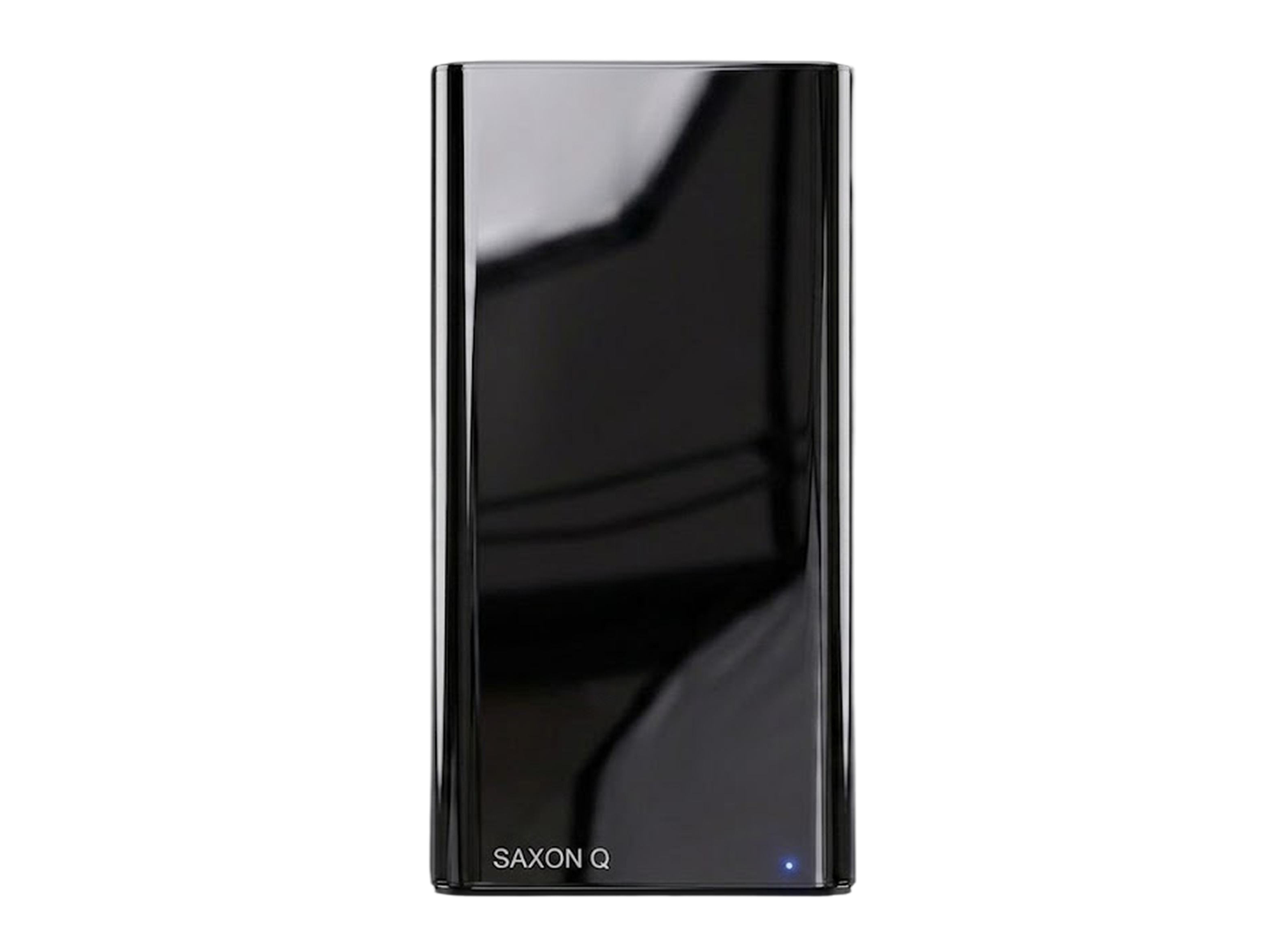
Atomic-scale defects. Operator-scale environments.
Nitrogen-vacancy centers are atomic-scale defects in synthetic diamond. Each NV-center acts as a quantum bit — a qubit — that holds and processes information through electron spin states.
Unlike superconducting qubits, NV-centers remain stable at room temperature. Unlike trapped-ion systems, they require no vacuum chamber. The result is a quantum platform that operates in the same environment as the operator.
Measured figures, not projections.
Per SaxonQ's published specifications.
Four patented steps to scale.
Maximize creation yield
Patented co-doping implants nitrogen with NV creation yield close to 100%.
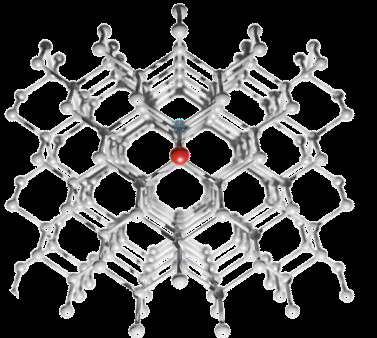
Entangle NV centers
Ion implantation places qubits in dense arrays within 20 nanometers of each other.
Build NV registers
Electric nanowires address and control larger qubit-register arrays.
Scale to many cores
Multicore systems run in parallel.
- → Single-atom assembly for scaling qubits
- → Transparent nanowiring for qubit control
- → Well-known silicon fab process steps
- → Scalable and cost-efficient
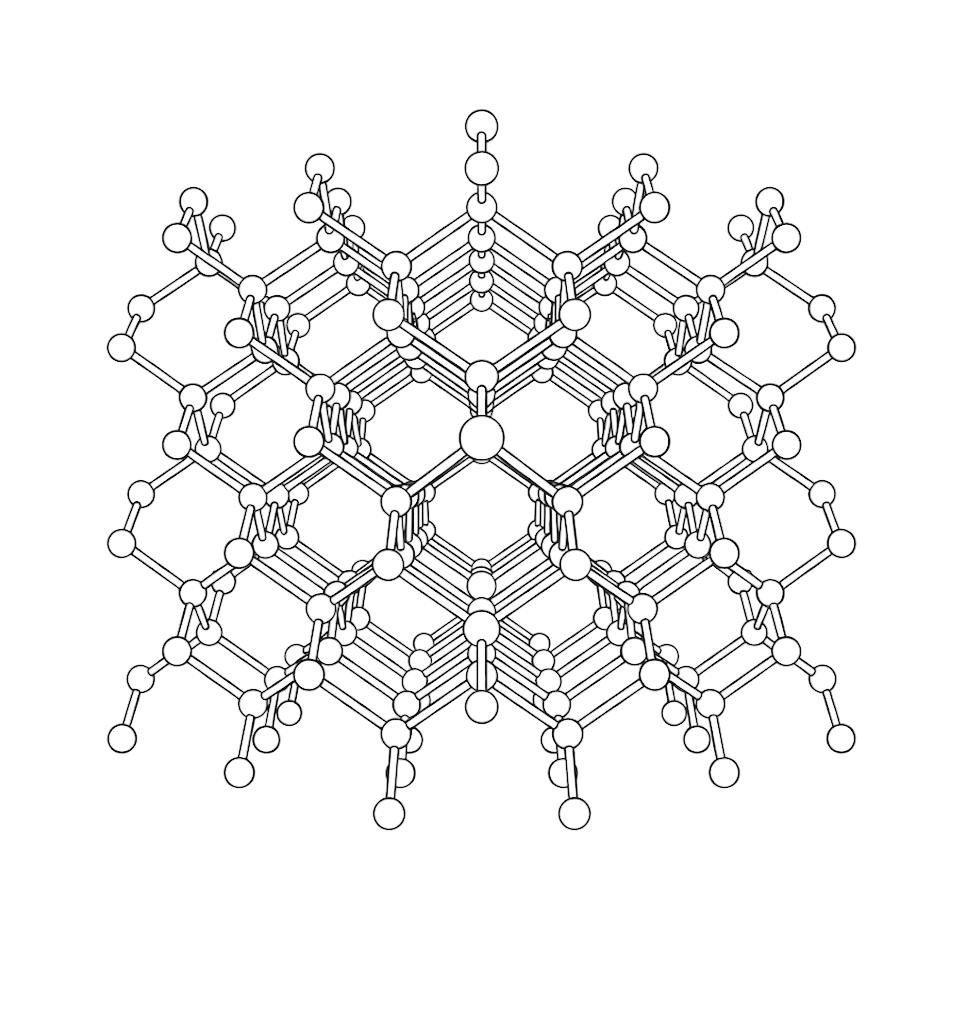
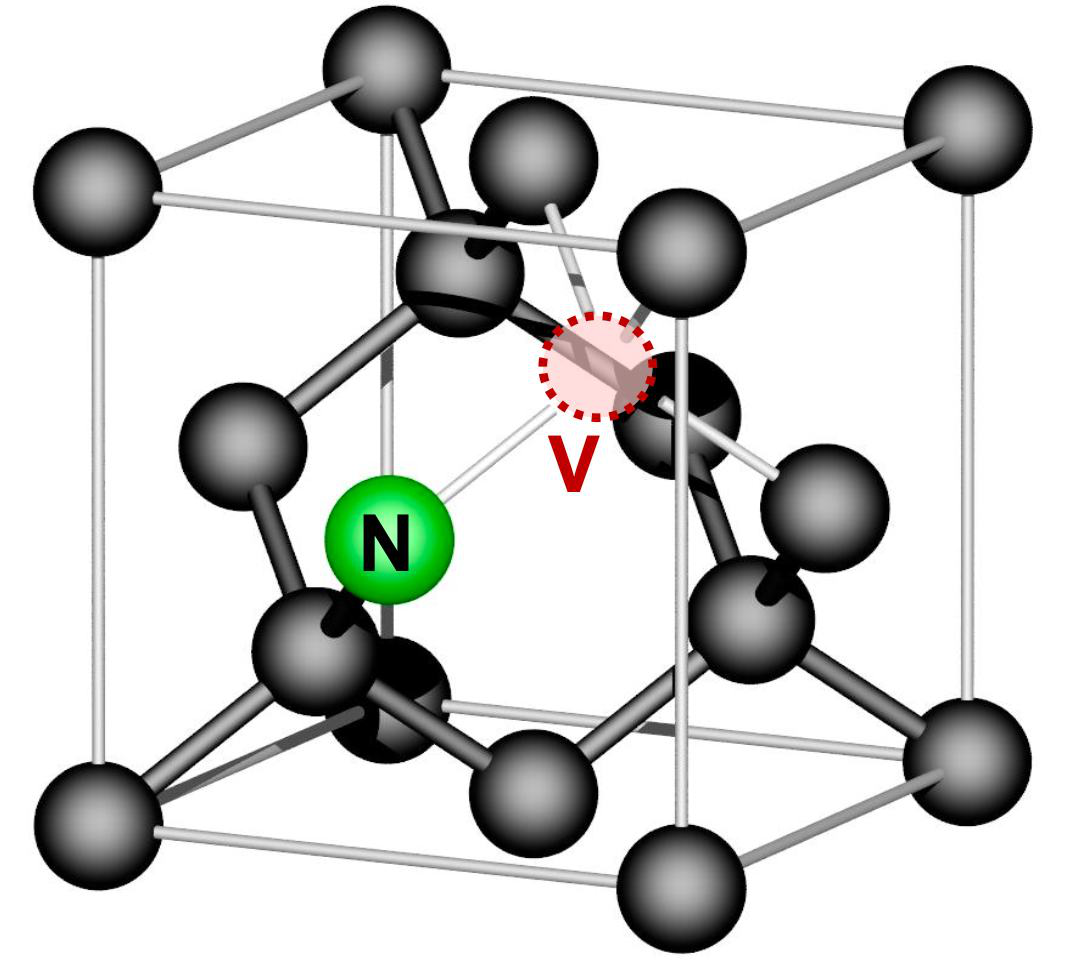
A nitrogen atom, a missing carbon, and light.
- → An NV center is an atomic-scale modification of the diamond crystal lattice: a nitrogen atom replaces a carbon atom, and directly adjacent to it a carbon atom is missing — the vacancy.
- → The centers have well-defined orientations within the lattice, aligned along the <111> directions.
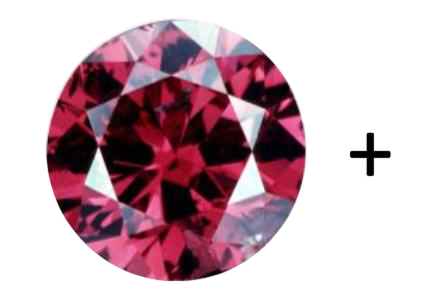
- → It is called a colour center because of its strong interaction with light, which produces a red colouration in diamond at high NV concentrations.
From the desktop to the chip.
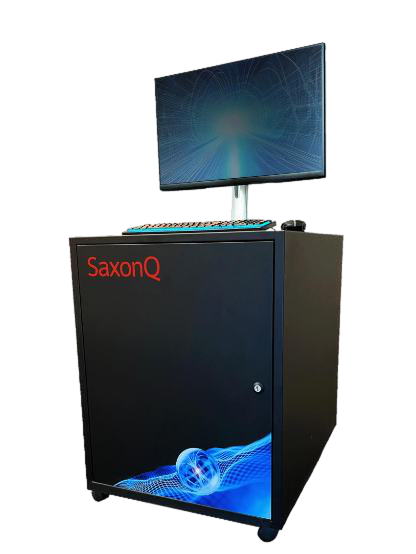
The Desktop Quantum Computer
DeliveredPioneer of mobile room-temperature quantum computing, live with customers.
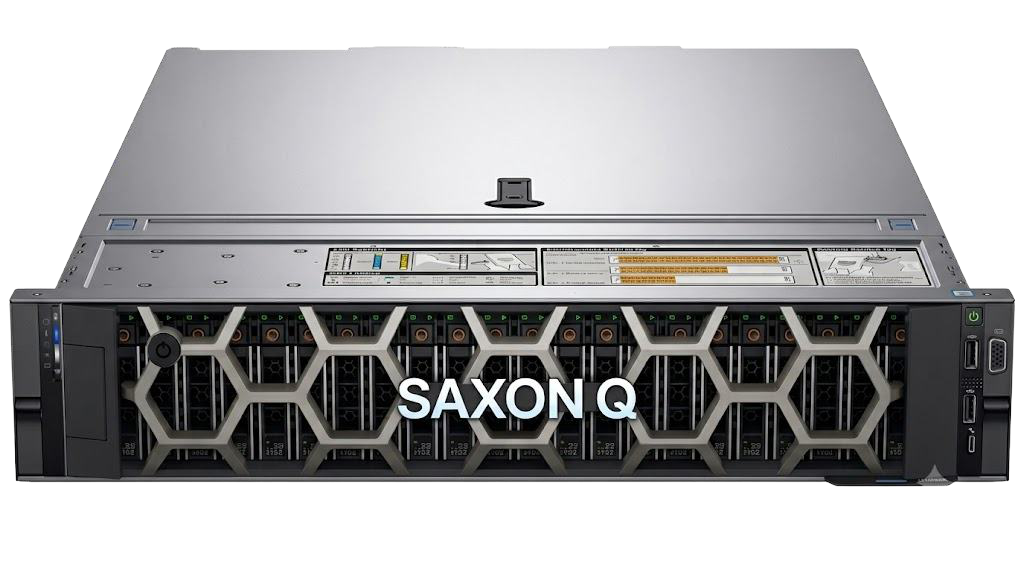
The Quantum Multi-Core
Current generationGPU-sized and data-centre ready, in 16 and 32 core configurations.
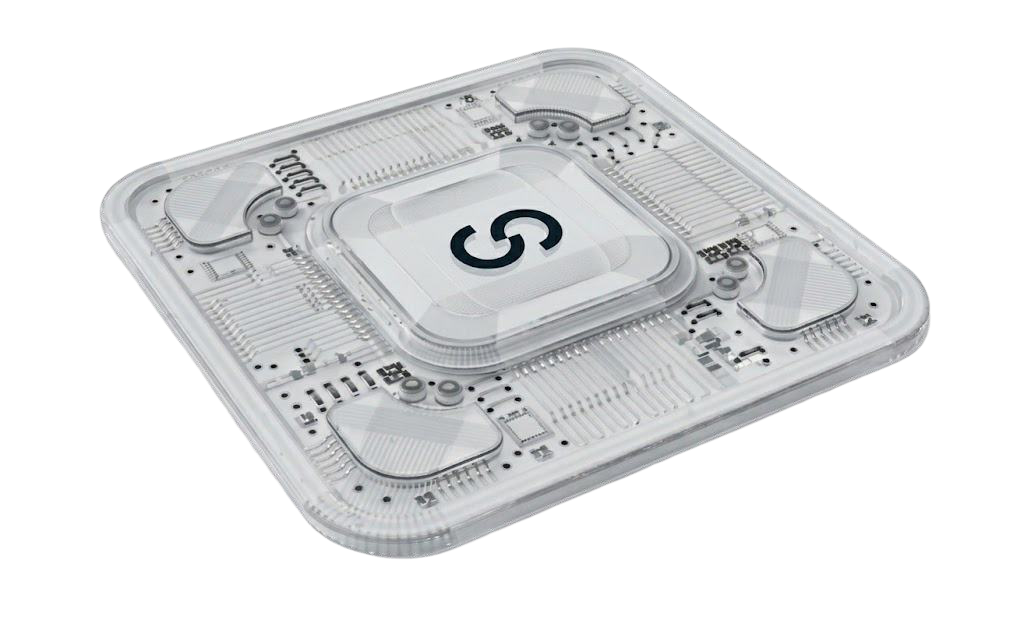
The Quantum Chip
Roadmap target, not an available productA single embeddable chip at semiconductor cost.
One architecture satisfies every requirement.
| Requirement | NV centers | Spin qubits | Photonic circuits | Superconducting | Trapped ions |
|---|---|---|---|---|---|
| No cooling, vacuum or shielding | ✓ | — | — | — | — |
| Small, miniaturizable form factor | ✓ | ✓ | — | — | — |
| Low energy demand | ✓ | ✓ | — | — | — |
| No latency | ✓ | ✓ | ✓ | — | — |
| Scalable at room temperature | ✓ | — | — | — | — |
Miniaturization and energy efficiency are what open new markets to quantum compute — robotics, autonomous systems, mobility, and aerospace.
GEMSTONE software suite.
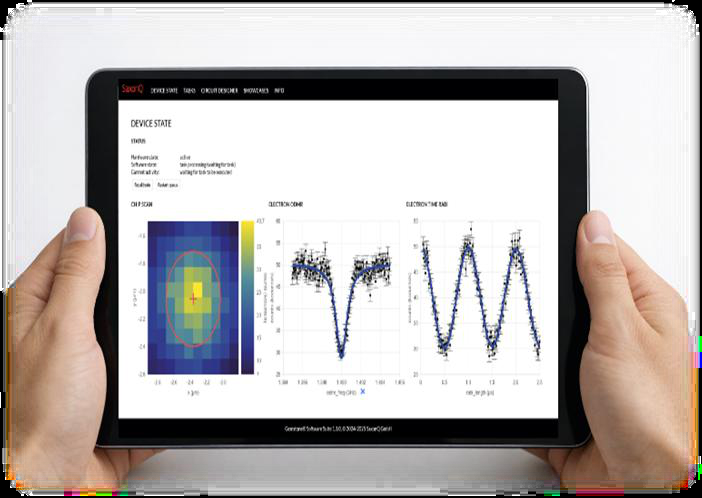
GEMSTONE runs quantum algorithms end to end through a graphical interface. Every system is freely programmable with Qiskit and OpenQASM.
- → Code development via graphical interface
- → Programming API
- → Showcase experiments and projects
- → Extensive hardware simulation
Three constraints removed. An entire mission set unlocked.
No Cryogenics
Eliminates the dilution refrigerator stack and the millions in supporting infrastructure.
Standard Power
Runs on a single wall outlet. Compatible with vehicle, vessel, and aircraft power systems.
Mobile Form Factor
Footprint comparable to a server rack. Deployable to SCIFs, command posts, and forward operating bases.
Technical baseline.
DLR validation: first manufacturer to complete all tests on a mobile, room-temperature quantum platform.